
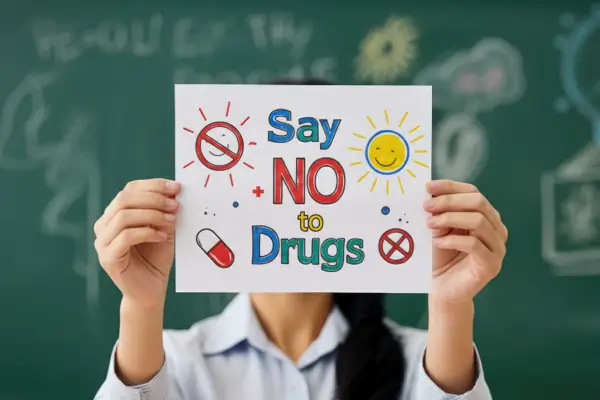
Substance misuse continues to be a serious social and public health concern across many communities. While treatment programs and rehabilitation centers play a vital role in recovery, advocacy groups have become equally important in promoting substance-free lifestyles. These organizations focus on education, prevention, community outreach, and support networks that help individuals make healthier choices. By raising awareness and encouraging open conversations, advocacy groups contribute to building stronger and more informed communities.
Educating Communities About Substance Risks
One of the main jobs of support groups is to teach people about the dangers of using drugs. Many individuals begin experimenting with substances without fully understanding the long-term consequences. Advocacy organizations work to bridge this knowledge gap by providing reliable information through workshops, seminars, school programs, and digital campaigns.
Education programs often focus on explaining the physical, psychological, and social effects of substance misuse. These initiatives help young people, parents, and community members recognize how substance use can affect health, relationships, and future opportunities. When people have access to clear and accurate information, they are more likely to make responsible decisions that support a substance-free lifestyle.
Encouraging Early Prevention Strategies
Advocacy groups also focus on prevention rather than only addressing substance misuse after it occurs. Prevention programs are designed to reach individuals before harmful habits develop. Many organizations collaborate with schools, youth groups, and community centers to introduce programs that promote healthy coping mechanisms and responsible decision-making.
These programs often emphasize life skills such as stress management, emotional awareness, and resilience. By teaching individuals how to manage challenges without turning to substances, advocacy groups help reduce the likelihood of addiction. Early intervention strategies have proven to be highly effective in lowering substance use rates among young people.
Supporting Individuals in Recovery
Another important contribution of advocacy groups is their support for individuals who are already on the path to recovery. Recovery can be a challenging and long-term journey, and people often need encouragement and community support to stay committed to sobriety.
Advocacy organizations frequently provide peer support networks, mentorship programs, and recovery resources. These support systems help individuals feel less isolated and more motivated to maintain a substance-free lifestyle. Many people find strength in connecting with others who share similar experiences and challenges.
In addition to emotional support, advocacy groups may also guide individuals toward counseling services, rehabilitation programs, and community resources that aid in recovery.
Raising Awareness Through Public Campaigns
Public awareness campaigns are another effective tool used by advocacy groups. These campaigns aim to change social attitudes toward substance use and encourage healthier lifestyle choices. Through social media initiatives, educational events, and community outreach programs, advocacy groups can reach large audiences with important messages about substance prevention.
Awareness campaigns often highlight real-life stories, research findings, and practical advice that encourage individuals to reflect on their habits and decisions. By normalizing conversations about addiction and recovery, these initiatives reduce stigma and encourage people to seek help when needed.
Building Strong Community Partnerships
Advocacy groups rarely work alone. Instead, they collaborate with schools, healthcare providers, law enforcement agencies, and community leaders to create comprehensive prevention strategies. These partnerships allow organizations to reach a wider audience and provide more effective support services.
Community collaboration ensures that individuals have access to multiple layers of support, from education and prevention programs to treatment and recovery services. When different institutions work together toward the same goal, the impact of substance prevention efforts becomes much stronger.
Conclusion
Through education, prevention programs, recovery support, and neighborhood awareness campaigns, advocacy groups do a lot to help people live drug-free lives. Their efforts help individuals understand the risks associated with substance use while providing tools and resources for healthier living. By fostering open conversations and building supportive communities, these organizations contribute to long-term positive change. As more communities engage with advocacy initiatives and learn about Sapient America, the collective effort toward healthier and substance-free lifestyles continues to grow.