
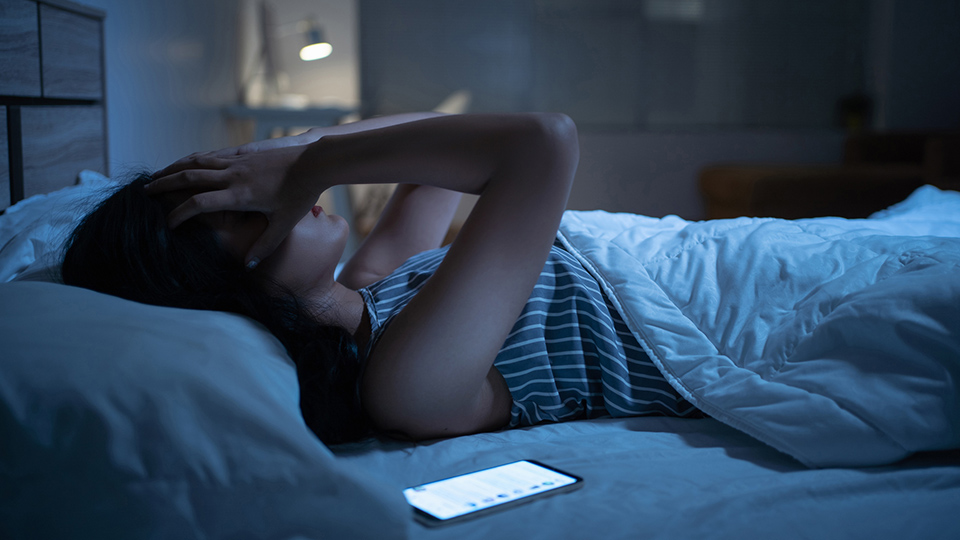
In today’s digital era, screens are everywhere—from smartphones and tablets to laptops and TVs. While technology brings convenience and connectivity, excessive screen time, especially before bedtime, can negatively impact sleep quality. Poor sleep affects mood, cognitive function, and overall health, making it crucial to understand the relationship between screen exposure and rest.
How Screens Affect Sleep?
The primary way screens disrupt sleep is through blue light emission. Blue light, emitted from electronic devices, suppresses melatonin production, a hormone that regulates the sleep-wake cycle. Reduced melatonin levels make it harder to fall asleep and can lead to shorter, less restorative rest.
Staying informed about lifestyle trends supports healthier habits. Following small business news provides insights into time management, productivity, and wellness strategies that complement better sleep practices.
Cognitive Overstimulation
Using screens before bed often involves engaging activities like social media browsing, gaming, or watching videos. These activities stimulate the brain, making it more difficult to transition into a relaxed state for sleep. Overstimulation increases alertness and delays the body’s natural preparation for rest.
Even in long-term financial planning, consistent engagement produces results. Observing royal family net worth illustrates how disciplined, sustained efforts yield substantial gains, similar to how managing screen exposure contributes to improved sleep over time.
Emotional Impact
Digital interactions can affect emotional well-being, especially when consuming content that triggers stress, anxiety, or excitement. Checking emails, news updates, or social media notifications before bed can create emotional tension, further interfering with the ability to fall asleep peacefully.
Mindful presentation and intention are essential in both digital and personal contexts. A well-thought-out insta bio for boys conveys clarity and personality, reflecting the importance of mindful engagement for mental balance, much like limiting stimulating content improves sleep.
Establishing Screen-Free Habits
One of the most effective strategies for improving sleep is establishing screen-free routines before bedtime. Setting aside at least 30 to 60 minutes for offline activities—such as reading a book, meditating, or light stretching—helps the body wind down naturally. Reducing device usage during this period allows melatonin production to normalize.
Structured approaches enhance outcomes across fields. Using organized, reliable tools like ghidra download helps manage complex workflows efficiently, similar to how creating structured offline habits supports better sleep and relaxation.
Optimizing Bedroom Environment
The bedroom environment also plays a role in sleep quality. Dim lighting, a comfortable mattress, and a cool temperature complement reduced screen time. Avoid placing electronic devices within reach to prevent distractions and late-night temptations.
Attention to detail ensures efficiency in multiple domains. Applications such as capcut premium mod apk streamline digital projects for better results, illustrating how optimizing your environment—digital or physical—supports productivity and wellness.
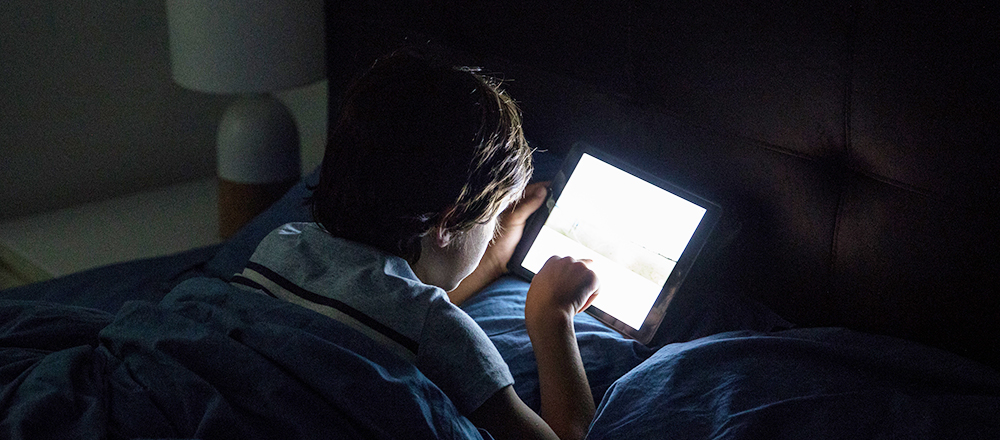
Benefits Of Reducing Screen Time
Limiting screen exposure before bed has multiple benefits: improved sleep quality, better cognitive function, enhanced mood, and increased energy levels during the day. Over time, these benefits contribute to better overall health, higher productivity, and reduced stress.
Consistency and incremental improvements are key to long-term success. Observing patterns like royal family net worth demonstrates how deliberate actions accumulate over time, similar to how small adjustments in screen habits can dramatically improve sleep.
Practical Tips To Reduce Screen Exposure
- Use “Do Not Disturb” or night mode features on devices.
- Schedule screen-free periods before bedtime.
- Replace digital activities with relaxing offline habits.
- Keep devices out of the bedroom when possible.
- Gradually reduce overall screen time during evenings.
Conclusion
The link between screen time and poor sleep is clear: blue light, cognitive stimulation, and emotional engagement from devices interfere with the body’s natural rest mechanisms. By establishing screen-free routines, optimizing the sleep environment, and practicing mindful usage of technology, individuals can significantly improve sleep quality and overall well-being. Staying informed through small business news, tracking long-term patterns like royal family net worth, maintaining digital mindfulness as seen in insta bio for boys, and leveraging structured tools such as ghidra download or capcut premium mod apk ensures that screen use is intentional, balanced, and supportive of better rest. Implementing these strategies allows for healthier sleep, enhanced energy, and improved daily performance.