
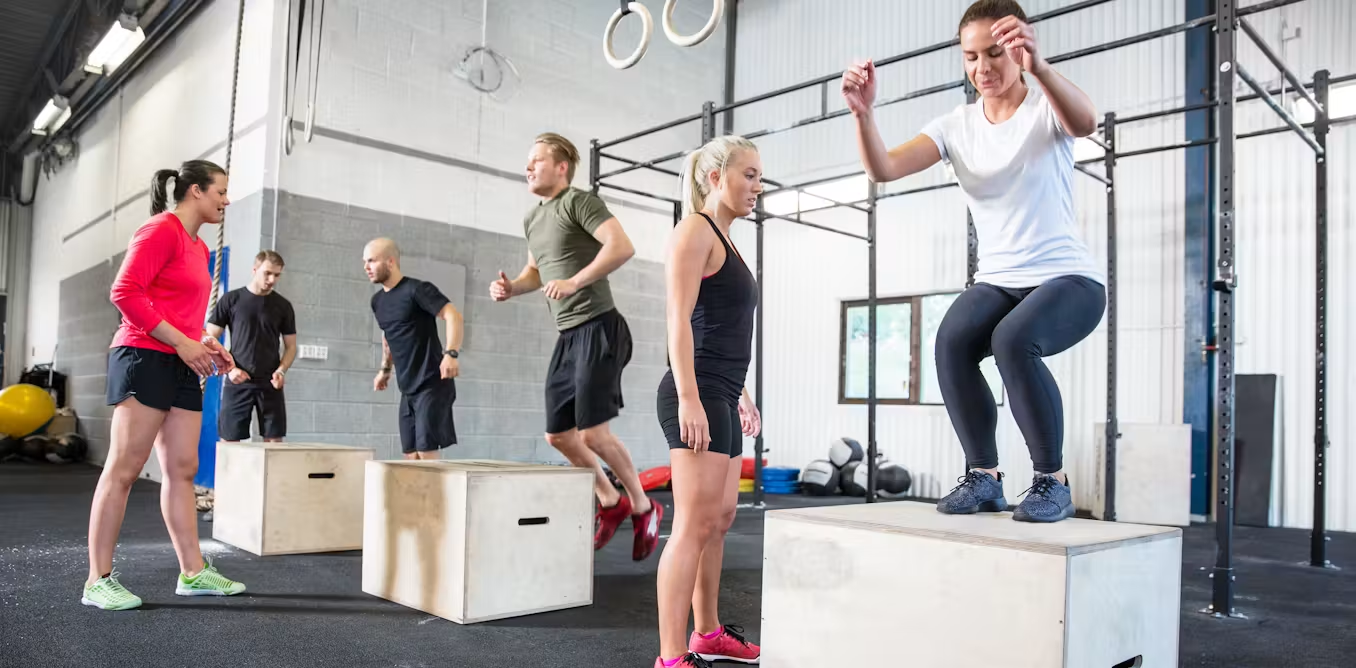
Fitness trends have changed significantly over the years. Earlier, many people focused mainly on appearance based goals such as muscle size or weight loss. Today, a growing number of individuals are paying attention to how well their bodies perform in everyday life. This shift has helped functional fitness become one of the most discussed approaches to health and exercise across different generations.
Functional fitness focuses on movements that improve daily activities. Instead of training isolated muscles only, this style of exercise helps people build strength, flexibility, balance, coordination, and endurance in ways that support real life actions. Carrying groceries, climbing stairs, lifting children, bending safely, or maintaining posture during work are all examples of movements functional fitness aims to improve.
One reason functional fitness is gaining popularity is because it is practical for people of all ages. Young adults use it to stay active and energetic, middle aged individuals rely on it for injury prevention, and older adults appreciate how it supports mobility and independence.
Functional Fitness Supports Different Age Groups
One of the strongest advantages of functional fitness is adaptability. Workouts can be adjusted according to fitness level, age, and physical ability.
Younger people often use functional training to improve sports performance and physical endurance. Parents may focus on exercises that help with lifting, bending, and maintaining energy during busy schedules. Older adults frequently choose functional fitness because it helps improve balance and reduce fall related risks.
The popularity of flexible wellness habits can also be seen online through unexpected trends and searches. Topics like up sewayojan may relate to employment opportunities, yet they reflect how modern audiences are increasingly looking for practical improvements in everyday life, including physical wellbeing and personal development.
The Focus Has Shifted Toward Long Term Health
Many traditional workout programs focus on short term transformation goals. Functional fitness, however, supports long term physical health. It encourages sustainable routines rather than extreme methods.
People now understand that maintaining mobility and strength over decades is more important than temporary results. Functional training supports joint health, posture, flexibility, and core stability, all of which become increasingly valuable with age.
Health professionals also emphasize the importance of maintaining muscle strength and movement quality throughout life. Functional fitness aligns closely with these recommendations because it trains the body for consistent daily performance rather than isolated gym achievements.

Home Workouts Have Increased Accessibility
Another reason for the rise of functional fitness is convenience. Many exercises require minimal equipment and can be performed at home, outdoors, or in small workout spaces. This flexibility makes fitness more accessible for people with busy schedules.
During recent years, online workout content has expanded rapidly. People can now follow guided routines from fitness trainers, physiotherapists, and wellness creators from their phones or laptops. Some individuals even compare fitness routines to creative skill building activities such as learning a simple arabic mehndi design, where regular practice and technique gradually improve results over time.
This accessibility has removed barriers that once discouraged people from exercising regularly. Functional fitness routines often feel approachable because they focus on natural movement rather than highly advanced gym techniques.
Balance and Coordination Are Becoming Priorities
Many people are now paying attention to balance, flexibility, and coordination instead of strength alone. Functional fitness helps improve these areas through exercises that engage multiple muscle groups simultaneously.
Simple activities like standing on one leg, controlled stretching, or movement based resistance exercises can improve body awareness and stability. These benefits are especially important as people age because they help maintain confidence during everyday movement.
Interestingly, the popularity of coordination focused challenges online also reflects this growing interest in body control and precision. Activities connected with games or trends like draw a perfect circle show how people enjoy testing coordination and movement accuracy in simple but engaging ways.
Social Media and Online Communities Influence Fitness Trends
The growth of digital wellness communities has also contributed to the popularity of functional fitness. Social media platforms now feature trainers demonstrating realistic workouts designed for daily life rather than only advanced bodybuilding routines.
Websites and online communities frequently discuss lifestyle improvement, sports performance, and wellness trends. Platforms such as anfieldedition.net often highlight broader lifestyle conversations that include physical activity, recovery habits, and balanced living approaches.
At the same time, internet culture has introduced many unusual trends and creative hobbies. Terms like sfm complie may appear in online spaces connected to digital creativity and entertainment, showing how modern audiences often combine technology driven interests with personal wellness goals and active lifestyles.
Functional Fitness Encourages Confidence and Independence
Beyond physical health, functional fitness also supports emotional wellbeing. When people feel stronger and more capable in daily life, they often experience greater confidence and independence.
Older adults may feel more secure performing household activities. Younger individuals may notice improved posture, stamina, and energy during work or study routines. Parents may appreciate having the physical endurance to manage busy family schedules more comfortably.
This practical value makes functional fitness appealing because the benefits are noticeable in everyday experiences rather than limited to gym performance alone.
Conclusion
Functional fitness is gaining attention across all age groups because it focuses on practical movement, long term health, and everyday wellbeing. People are no longer viewing exercise only as a tool for appearance based goals. Instead, they want routines that help them move better, feel stronger, and maintain independence throughout life. Its adaptability, accessibility, and real world benefits make functional fitness suitable for nearly everyone. As awareness about sustainable health continues to grow, functional fitness will likely remain an important part of modern wellness conversations for years to come.